What we do
Four services.
One crew. Our own equipment.
Every job runs on equipment we own and operate. No subcontracted crews, no waiting on somebody else's schedule, no third party between you and the work.
Who we are
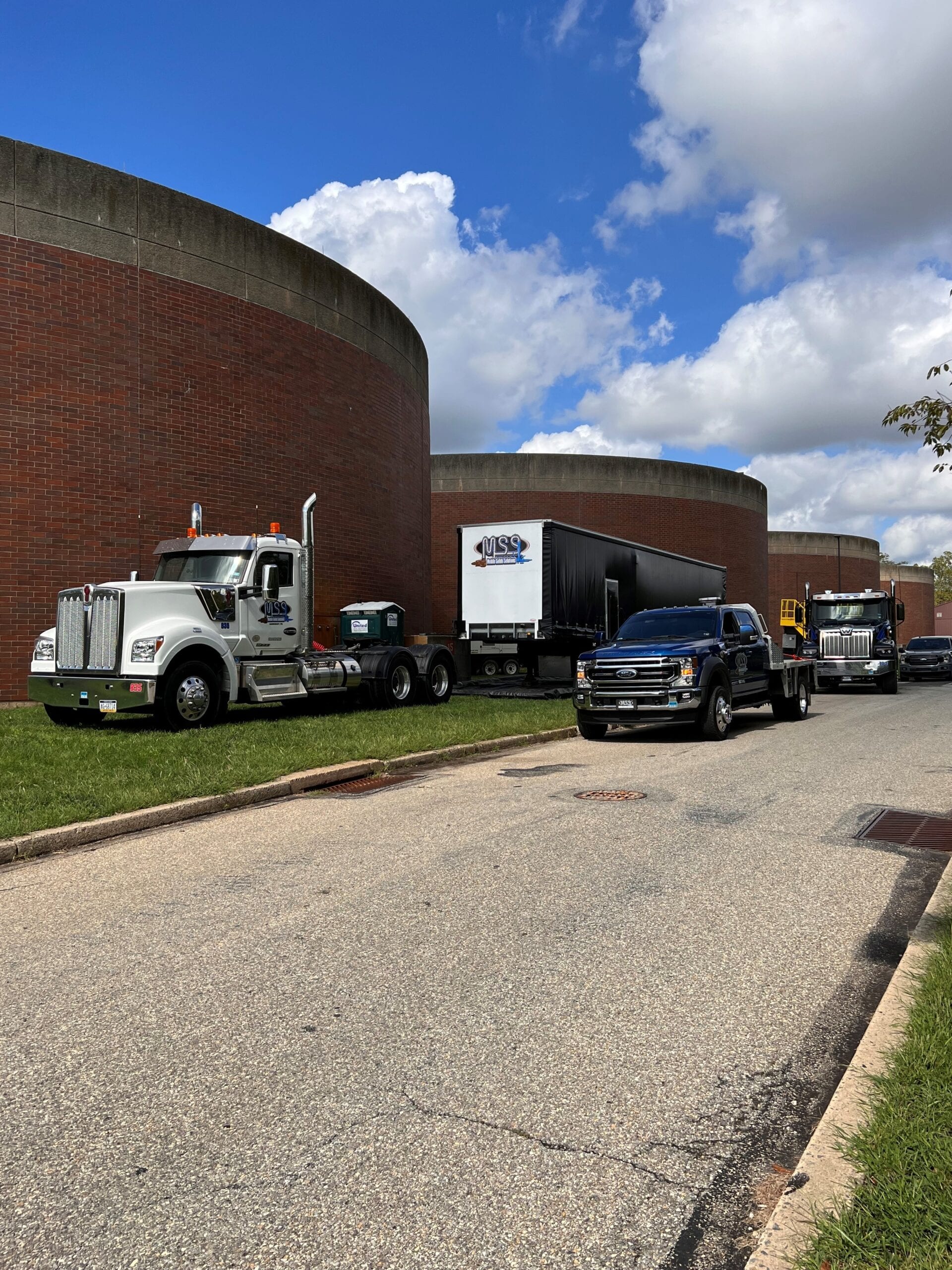
We own every machine that shows up.
Chip Romesberg started Romesberg Trucking in 1988 with one truck and his own name on the door. Mobile Solids Solutions opened in 2018 on the same principle — buy the equipment, train the crews, and answer for the work yourself.
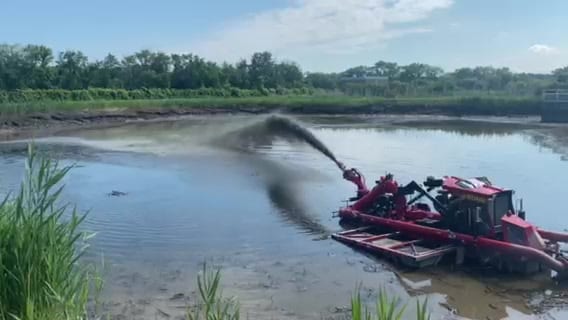
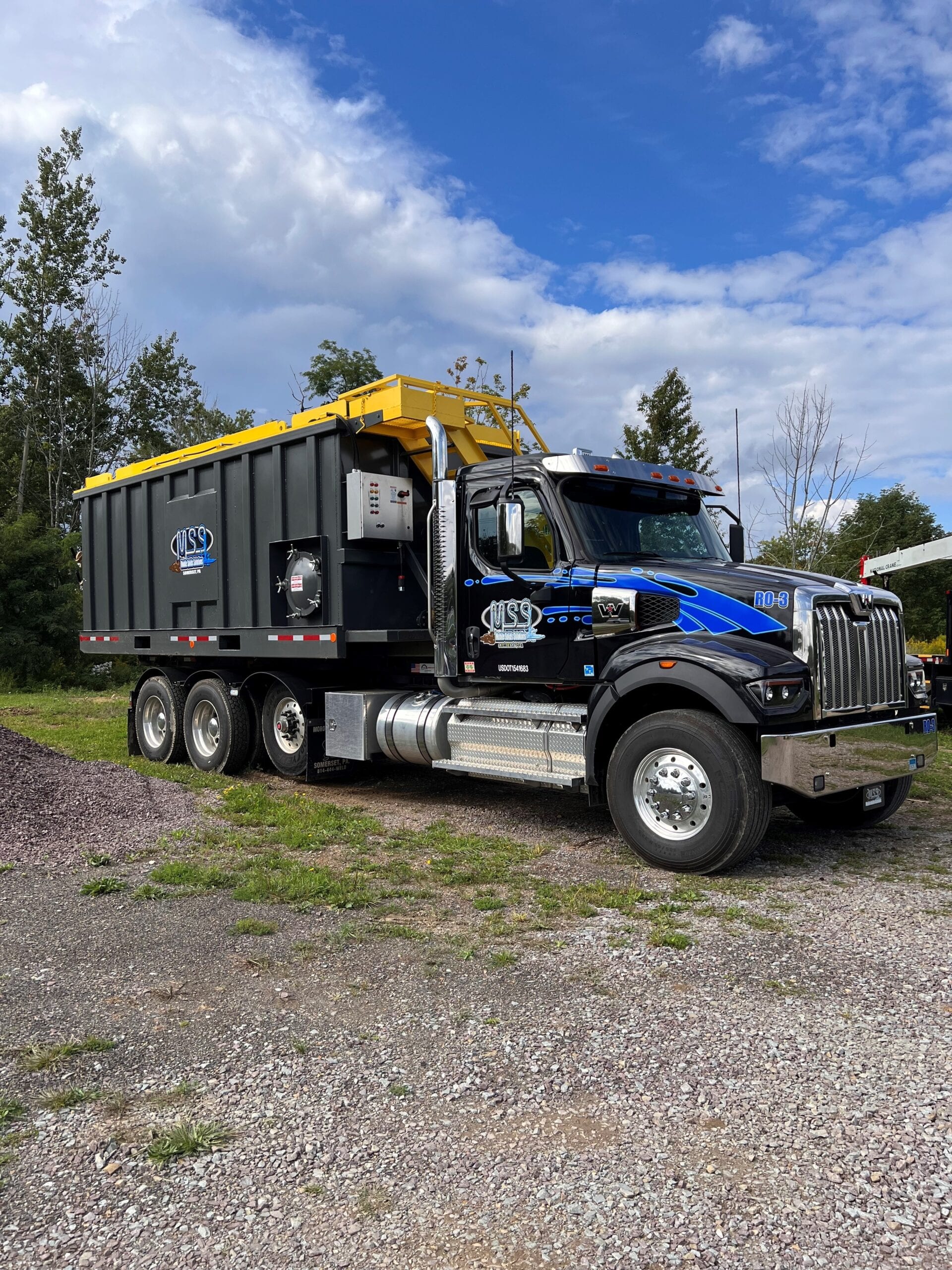
So there is no third party standing between you and your vessel. The Lagoon Crawler, the belt press, the mixing tanks, the pumps, the sealed roll-offs and the crane trucks are ours. When we give you a date, we are not waiting on somebody else's dispatcher to hit it.
The work itself
What a cleanout actually looks like.
Six steps, start to finish. The fifth one is the reason plants call us instead of a pumping contractor.
Setup & air test
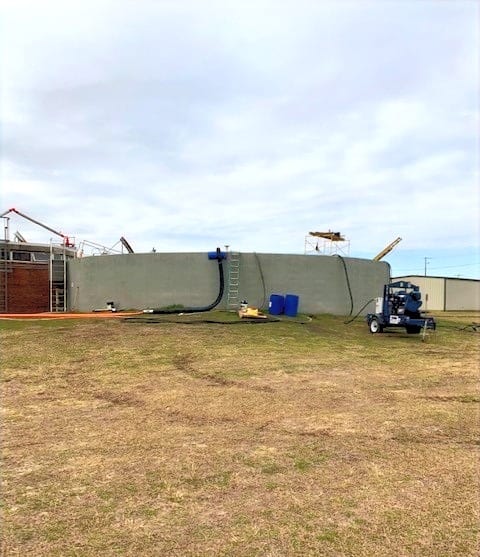
We stage the spread, run gas monitoring on the vessel and test air quality before a single hose is connected. Nothing starts until the readings are clean.
Pump the vessel down
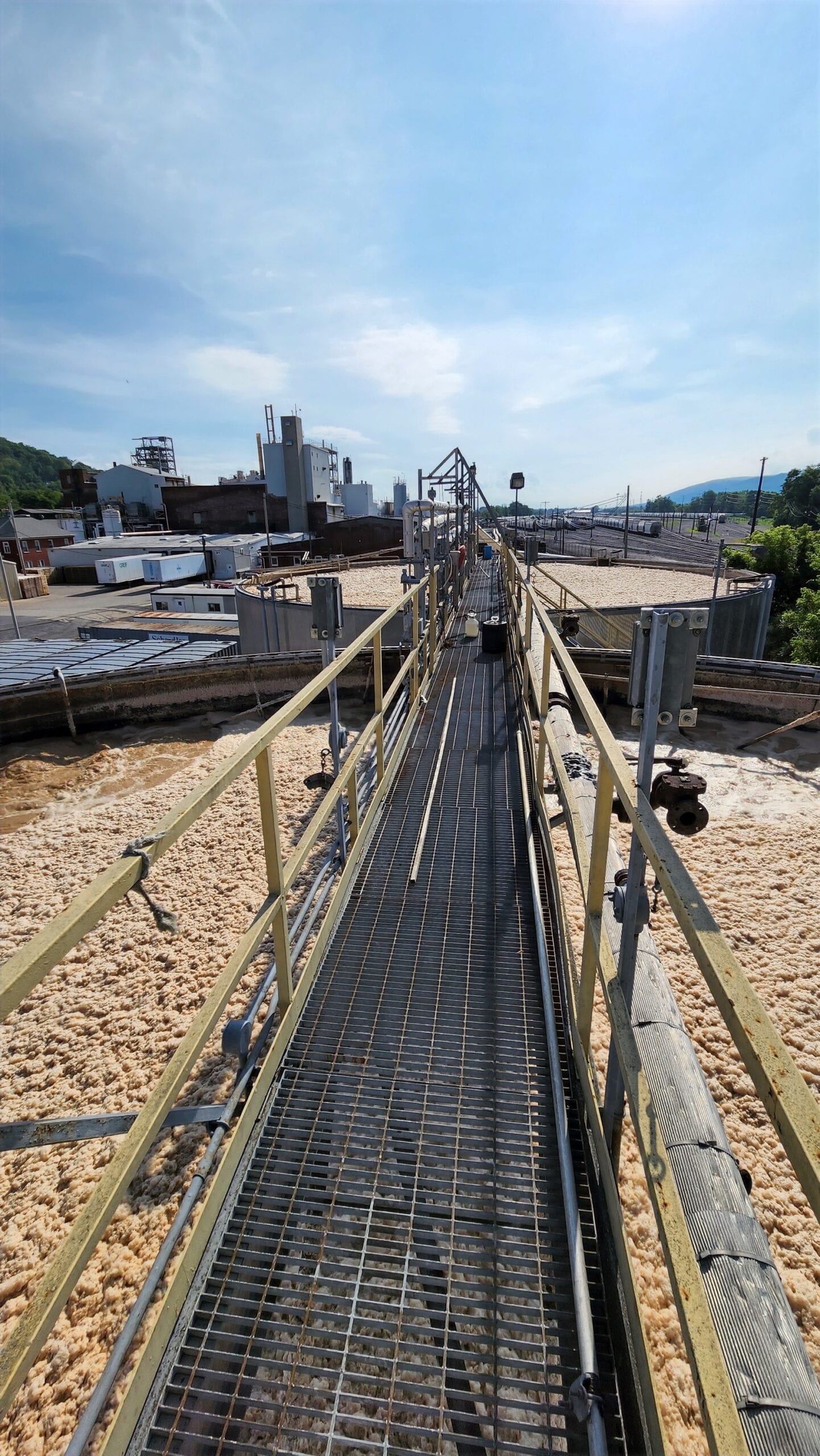
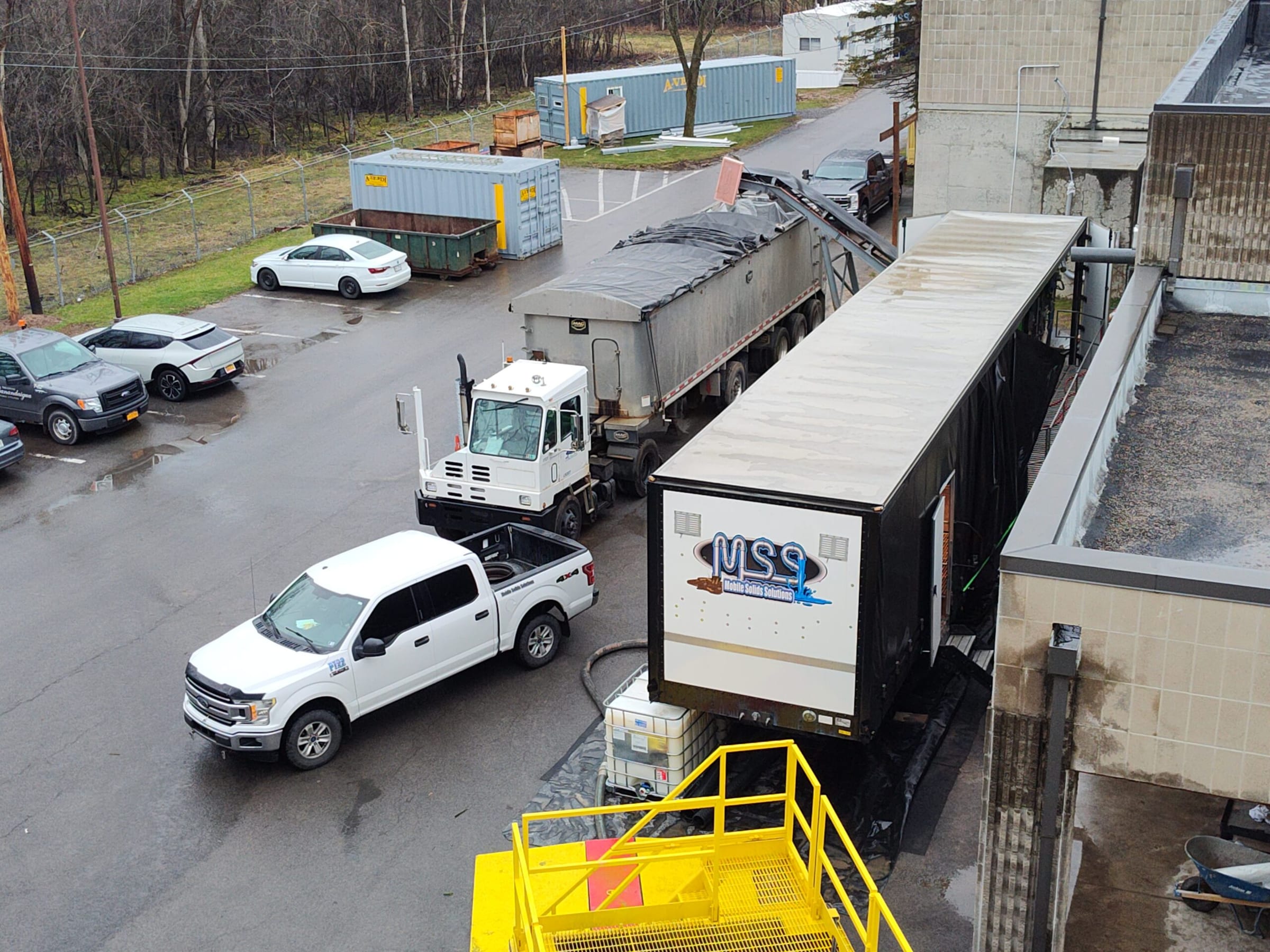
Contents are pumped out of the digester and into our mixing tanks for processing. The vessel comes down on our pumps, on our schedule.
Polymer & flocculation
Polymer goes in and the waste material flocs, separating the solid fraction from the water so the press has something to work with.
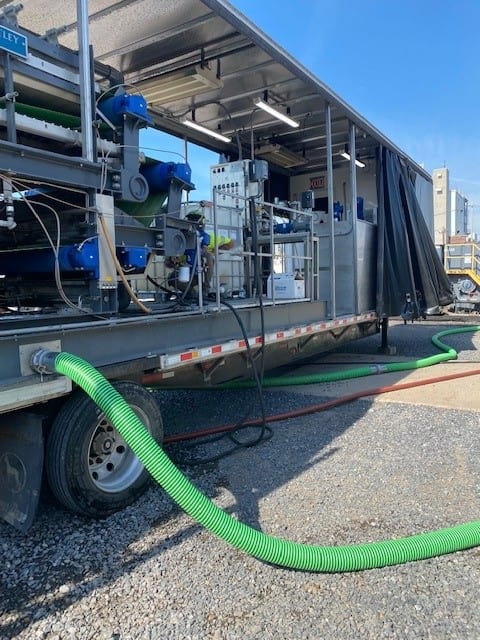
Belt press separation
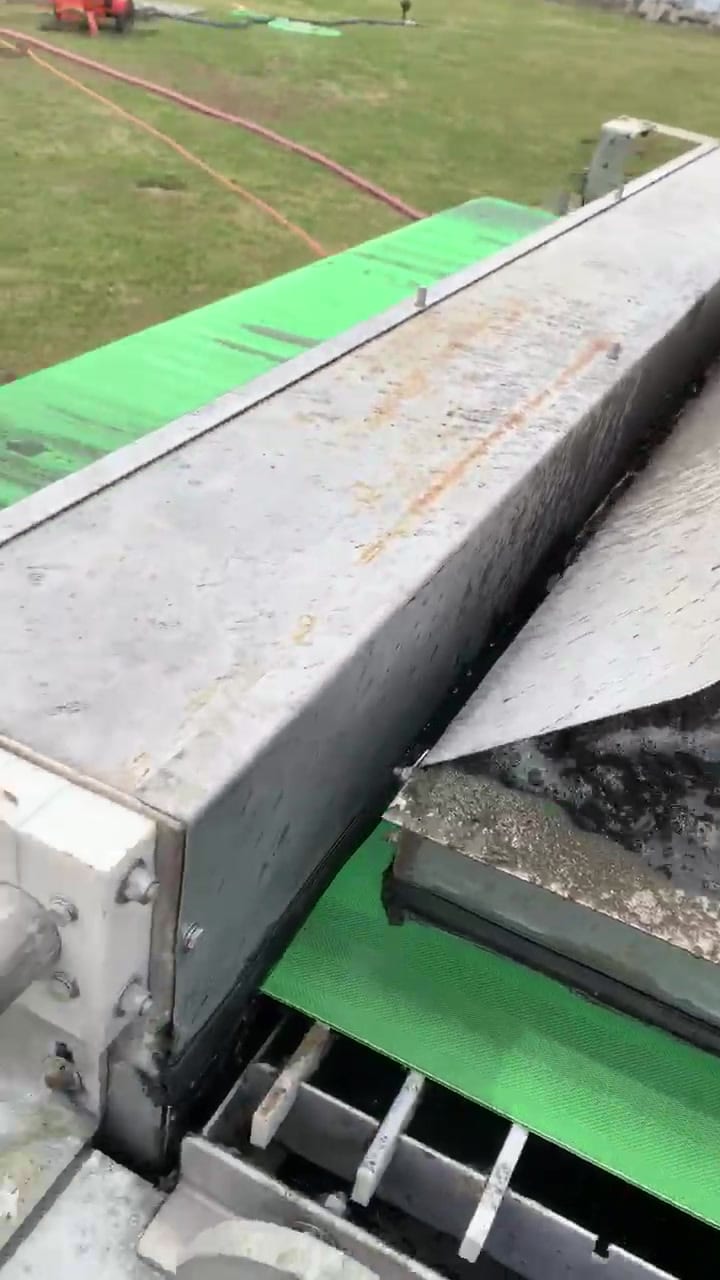
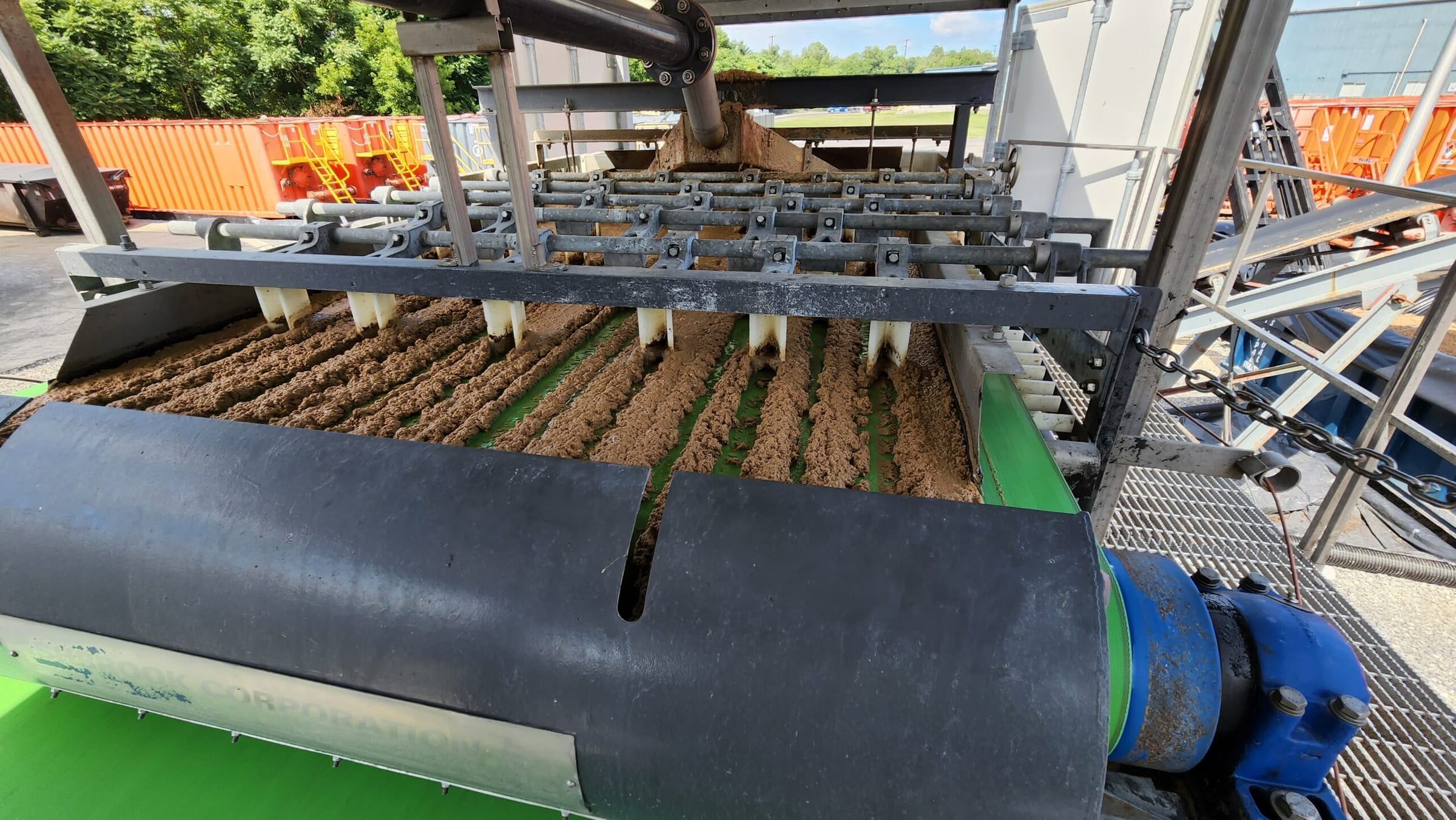
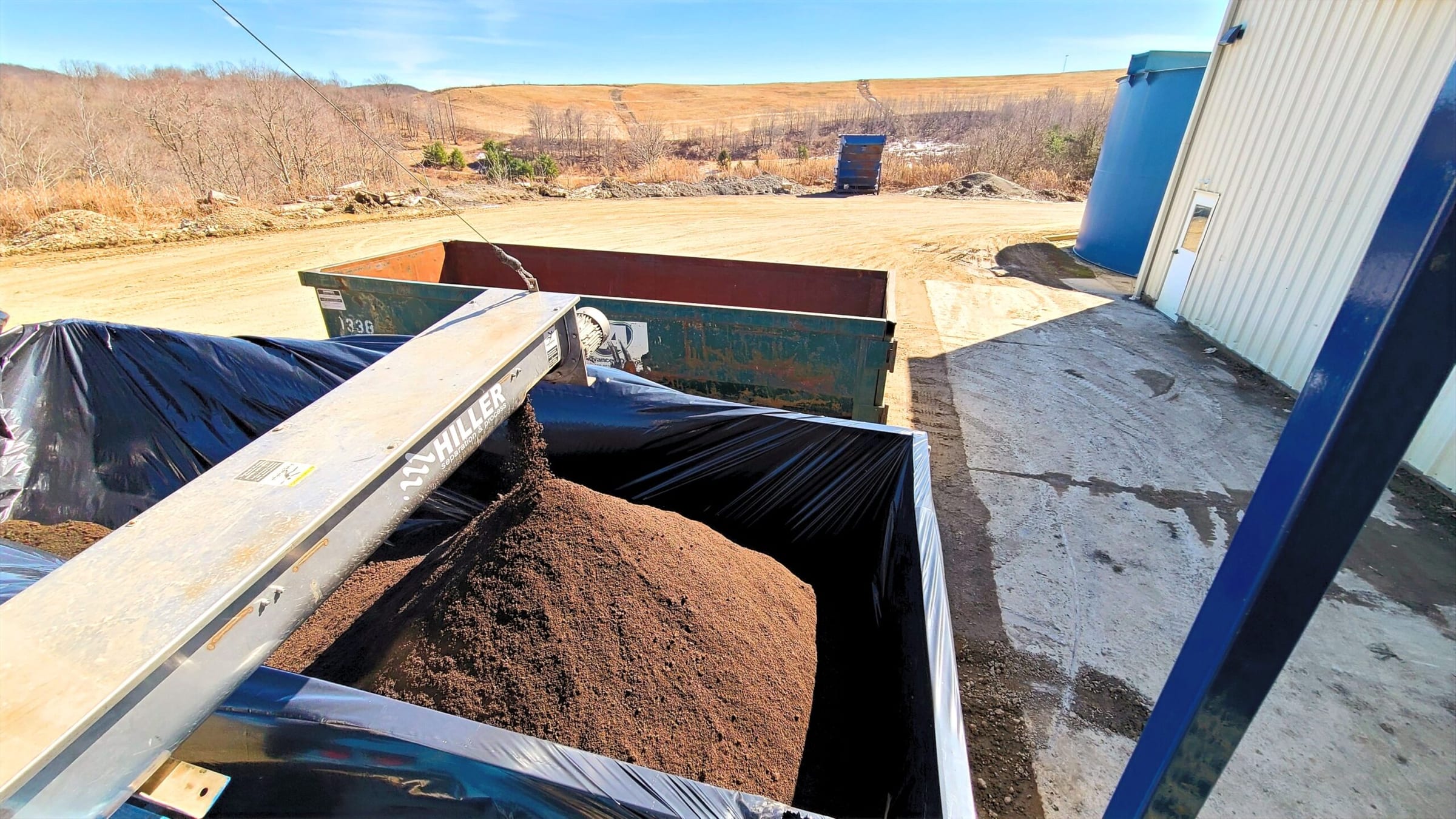
The mobile press pulls water out of the solids on site. What leaves the plant is cake, not slurry — which is where the disposal and hauling savings come from.
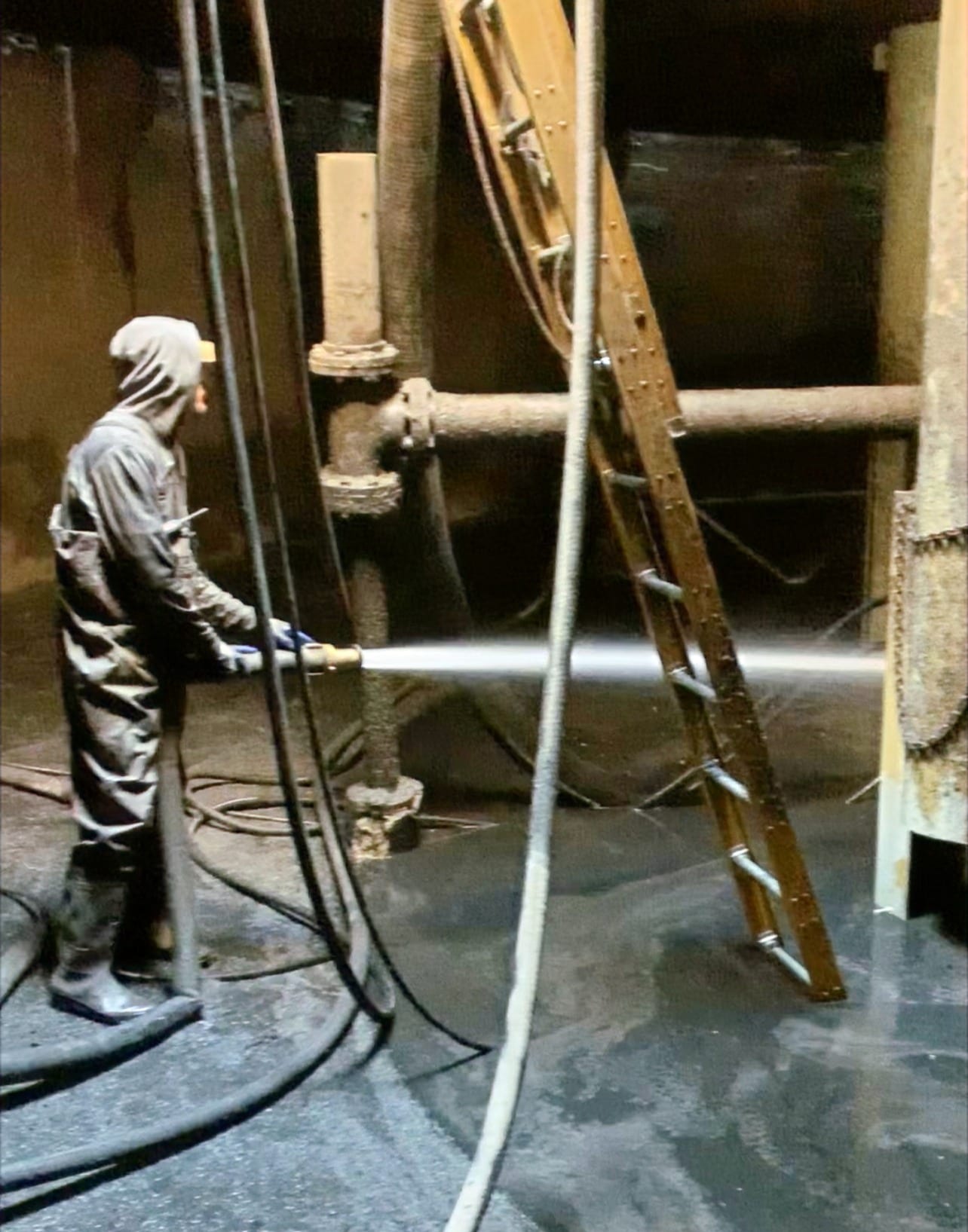
Crews go inside
Once the vessel is empty and the atmosphere is cleared, certified crews enter the digester and clean it by hand. This is the part machinery cannot do, and it is the part most contractors subcontract out or skip.
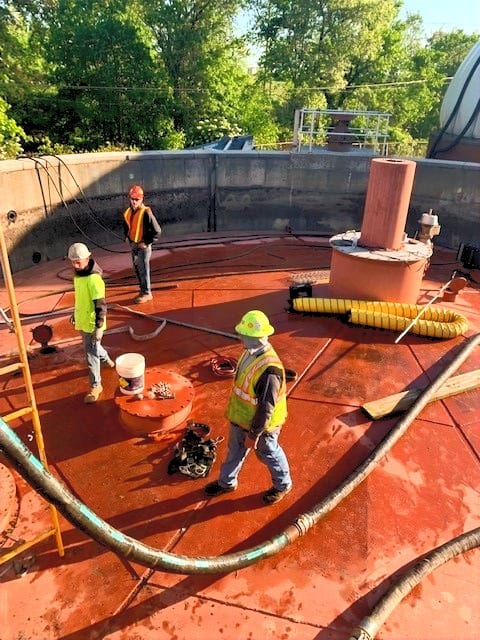
Tear-down
Solids are hauled and disposed of, equipment comes off the pad, and the site goes back the way we found it. Better, usually.
Where we work
We mobilize. You don't wait on a local contractor.
The equipment lives in Somerset, Pennsylvania and goes where the job is. Every pin is a plant we have worked — Minneapolis to Miami, Houston to the New Hampshire line — and the whole spread travels on our own trucks. Distance changes the schedule, not the scope.
If your plant is not on this map yet, that is not a no. Send us the vessel type and the volume and we will tell you honestly whether the mobilization makes sense for you.
The fleet
Everything a cleanout needs, on our trucks.
No rental scheduling, no subcontracted lift, no waiting on a press to free up somewhere else.
Who we work for
Three people call us, and they want different things.
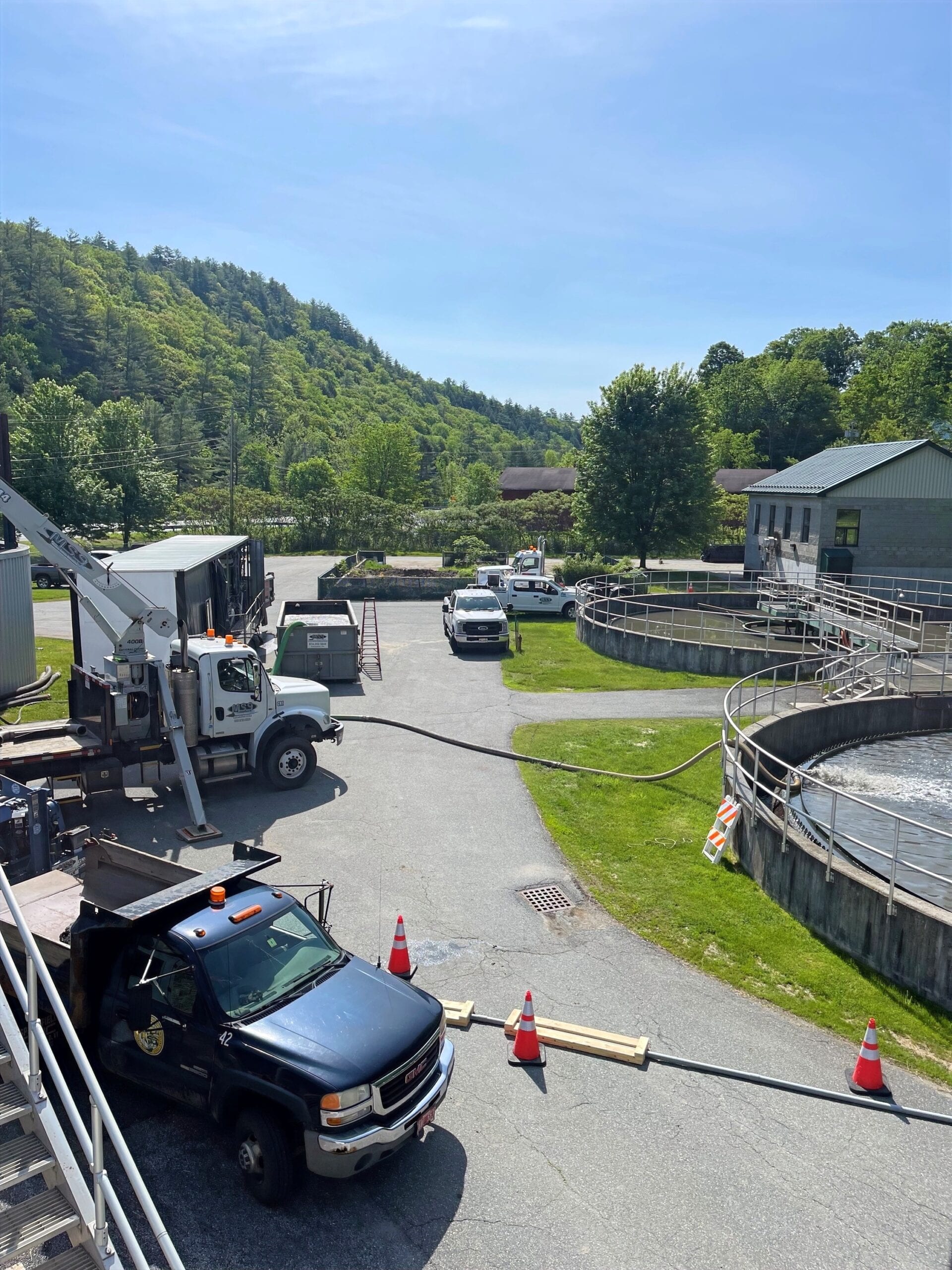 Municipal authorities & boroughs The bulk of our work. Scheduled maintenance cleanouts and emergency response for treatment plants and water authorities, on a date you can put in front of a board. Start a conversation
  Private & industrial plants Food and beverage, manufacturing, and private waste operators with the same solids problem and less tolerance for downtime. Same equipment, same crews. Start a conversation
  Consulting engineers If you are writing the spec, we will give you equipment dimensions, staging requirements, process detail and references before it goes out to bid. No sales call attached. Start a conversation
 Request a quote
Tell us the vessel. We'll tell you the number.
Quotes are free on every job. Send us the vessel type and roughly what you're holding, and we'll come back with scope, a window, and a price — not a discovery call.