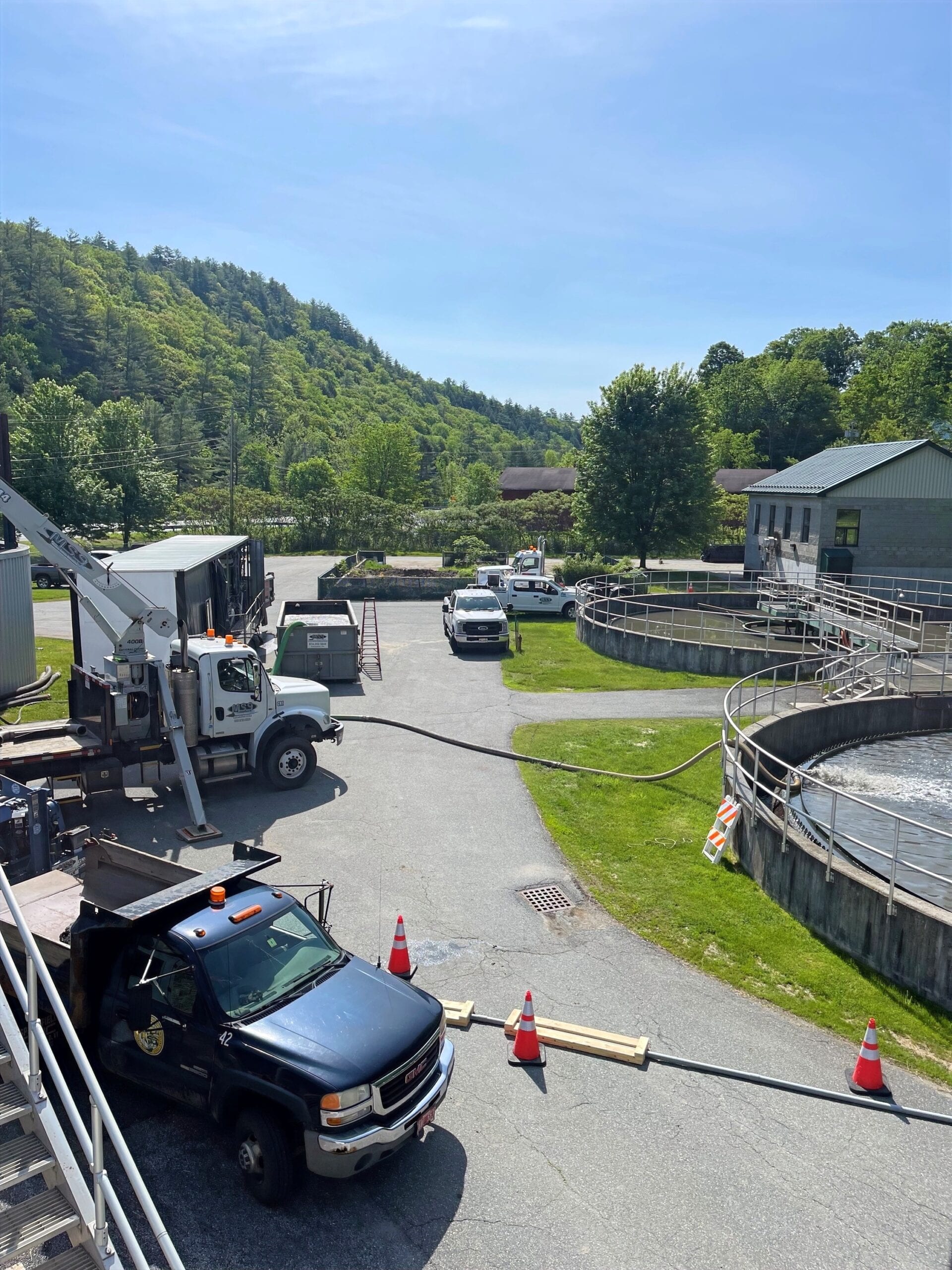
A basin sized for design flow stops holding that flow once grit and rag settle across the floor.
Detention time goes first. Then the problem shows up downstream: equalization stops evening out peaks, aeration diffusers clog, and holding tanks fill faster than the schedule assumes.
By the time it shows up in a sample, the buildup has usually been growing for years. A vacuum truck visit lifts what the hose can reach while the tank stays partly full. The floor, where the capacity actually went, stays loaded.
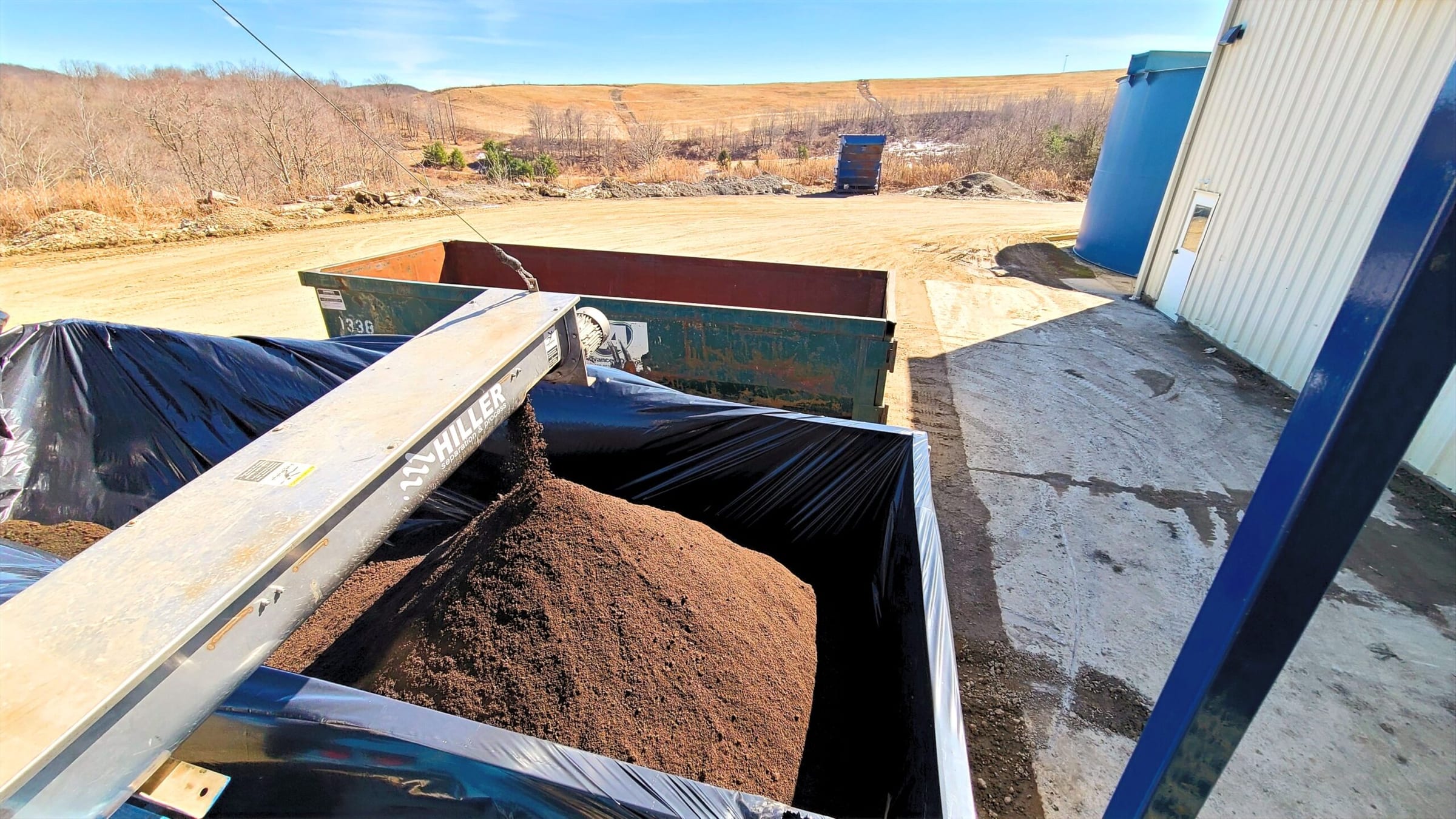
Mobile Solids Solutions cleans wastewater tanks and basins end to end. We draw the vessel down completely, remove what settled out, dewater it on your pad, and wash the structure down before we hand it back.
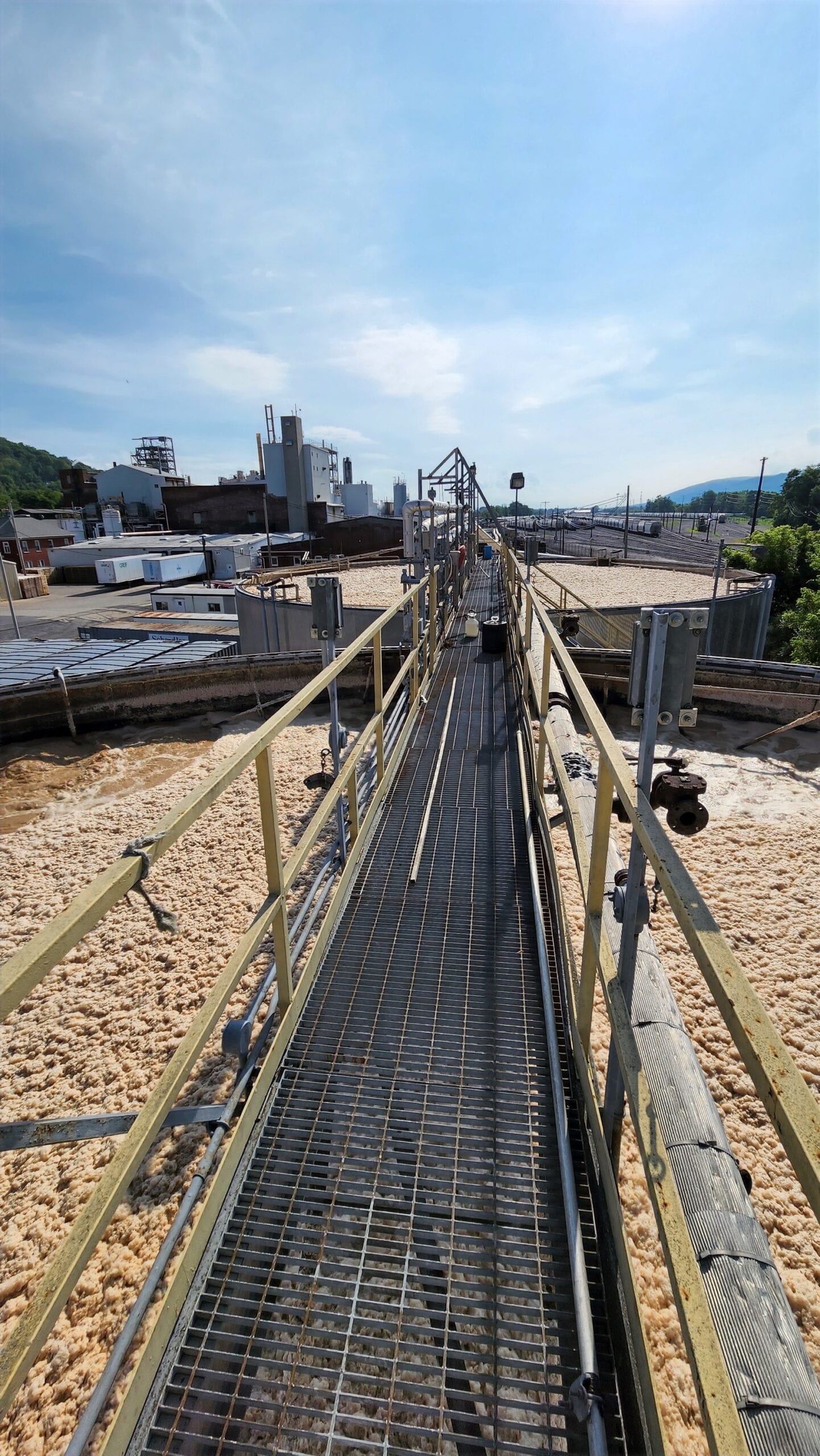
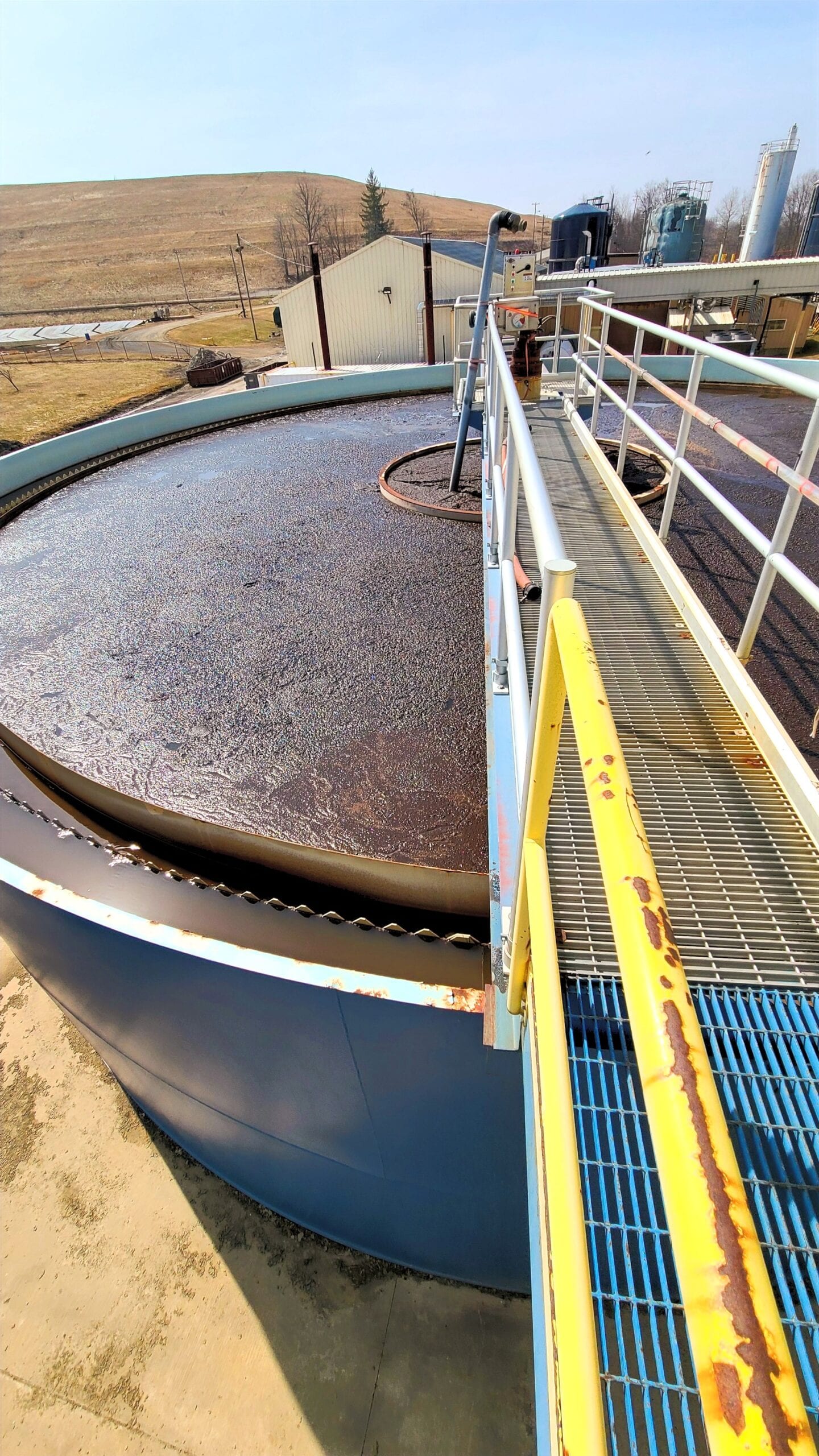
Tanks and basins we clean
Wet wells and grit chambers follow the same method, with stricter entry controls.
Vacuum service vs. a full cleanout
| | Vacuum service | Full cleanout | | --- | --- | --- | | The contents | Whatever the hose can lift while the tank stays part-full | Complete drawdown so the floor is reachable | | The floor | Grit and rag settle back when the truck leaves | Removed and washed down, structure inspected | | What leaves your site | Wet, at volume | Pressed to cake, on our trucks | | Capacity afterward | Some of it, for a while | Design volume, and a baseline for next time |
How a tank or basin cleanout runs
A written condition note while the tank is open
A basin is only empty and clean a few times in its service life. While it is, our crews are already looking at the concrete, baffles, diffusers, and inlet structures. We do not repair them, but anything we notice goes back to you in writing. That note helps your capital planning and gives your engineer a head start.
Plants with parallel basins can usually keep one train in service while we clean the other. Single-train plants need a bypass plan, and we build it with your operator before the job is scheduled, not on site. We do not design bypass pumping or temporary process systems, but we coordinate closely with whoever does.
Our equipment, our crews, our schedule
Every machine on a tank job is ours: mixing tanks and polymer feed, the mobile belt press, pumps sized for full drawdown, confined-space entry and ventilation gear, crane and roll-off trucks, sealed containers, and our own generators. Our crews are OSHA 10 certified and work year-round. Nothing is subcontracted, so the date we give you is a date we control.
Most of our tank and basin work is for municipal authorities and boroughs across Pennsylvania and the neighboring states of Maryland, West Virginia, Ohio, and New York. We also clean process and storage tanks for food and beverage plants, manufacturers, and private waste operators, which have the same solids problem and less tolerance for downtime. From our yard in Somerset, PA, our equipment has worked in 19 states.
What operators ask us first.
How often should an equalization basin be cleaned?
It depends on grit removal upstream and how the basin is mixed. Plan a cleanout when working volume drops noticeably or solids begin passing downstream.
Do we have to bypass the basin while you work?
Usually yes for a single-train plant, and we plan it with your operator first. Plants with parallel basins can often stay in service on the other train.
How long will the tank be out of service?
It depends on volume, how much has settled, and access. Send us dimensions and time since the last cleaning for a window.
Do you clean aeration basins with diffusers in place?
Yes. We plan the work around the diffuser grid so crews can clean without damaging it. Let us know the diffuser type in advance.
Do you clean industrial tanks?
Yes. We clean process and storage tanks for food and beverage plants, manufacturers, and private operators.
Who hauls and disposes of the solids?
We do, in sealed roll-offs on our own trucks, at a site agreed with you that fits your permit.
Will we get anything in writing about the structure?
Yes. Anything we notice about concrete, baffles, or internals goes to you in writing.